
For many emerging organizations involved in card payment processing, PCI DSS cost small business may be an intimidating aspect. Although PCI DSS compliance is critical for safeguarding the payment information of customers and minimizing security threats, many small business owners have concerns regarding the associated costs.
It is important to note that there are no significant reasons to fret because PCI DSS compliance will not require you to make large financial investments. The costs of compliance vary depending on various factors including your company’s size, payment environment, and security level. In this blog, we will discuss those factors influencing the costs, expected expenses, and ways to manage costs efficiently.
What is PCI DSS and why does it matter?
The PCI DSS is a collection of security standards created with the purpose of ensuring cardholder data security. All organizations handling the storage, processing, or transmission of payment card data should adhere to these standards.
There are numerous advantages for small businesses regarding PCI DSS compliance:
- Protects customer payment information
- Reduces the risk of data breaches
- Helps avoid costly fines and penalties
- Builds customer trust and credibility
- Supports partnerships with payment processors and banks
While compliance requires investment, the cost of a security breach is often far greater than the cost of meeting PCI DSS requirements.
What determines PCI DSS Compliance Costs?
No two businesses will have the same compliance costs. Several factors influence the overall investment required to meet PCI DSS requirements.
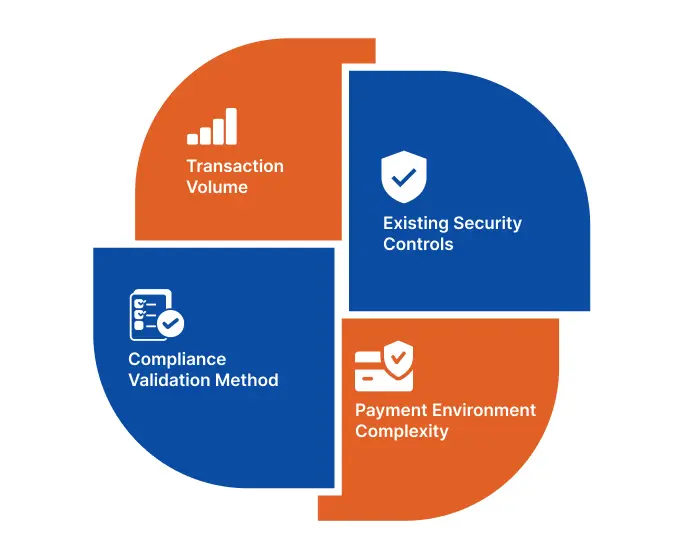
Transaction Volume
Companies that deal with more card transactions are generally subjected to higher validation standards. More transactions might mean undergoing extra tests and assessments.
Existing Security Controls
Organizations with mature cybersecurity programs often spend less because many PCI DSS requirements are already addressed. Businesses with limited security controls may need additional investments in technology and processes.
Payment Environment Complexity
The more systems that store, process, or transmit cardholder data, the greater the compliance burden. A complex cardholder data environment often increases assessment and remediation costs.
Compliance Validation Method
Small businesses using a Self-Assessment Questionnaire (SAQ) generally have lower costs than organizations requiring a Qualified Security Assessor (QSA) review.
Breaking down the typical small business PCI Cost
When evaluating small business pci cost, it helps to understand the major expense categories involved in the compliance process.
Gap Assessment and Readiness Review
A PCI DSS gap assessment identifies weaknesses in your current security controls and highlights areas requiring remediation before formal validation.
Typical Cost: $2,000–$10,000
Although optional, a gap assessment can save money by helping businesses avoid expensive surprises later in the compliance journey.
Security Technology Investments
Many businesses need to upgrade or implement security tools to meet PCI DSS requirements.
Common investments include:
- Firewalls
- Multi-factor authentication (MFA)
- Endpoint protection solutions
- Log monitoring systems
- Encryption tools
- Access control platforms
Typical Cost: $1,000–$20,000+
The final amount depends on your existing infrastructure and security maturity.
Vulnerability Scanning
PCI DSS requires regular vulnerability scans for many organizations. These scans are typically conducted by an Approved Scanning Vendor (ASV).
Typical Cost: $200–$2,000 annually
Routine scanning helps identify vulnerabilities before attackers can exploit them.
Penetration Testing
Some businesses must perform penetration testing to validate the effectiveness of security controls protecting cardholder data.
Typical Cost: $2,000–$10,000+
The complexity of your environment directly affects testing costs.
PCI DSS Assessment and Validation
The validation process itself may involve:
- Self-Assessment Questionnaires (SAQs)
- Attestation of Compliance (AOC)
- External assessments
- Typical Cost: $500–$30,000+
Businesses with simpler environments often qualify for lower-cost validation options.
Hidden costs many small businesses overlook
When asking, how much does pci dss cost for small businesses, many organizations focus only on assessments and technology while overlooking ongoing operational expenses.
Employee Training
Staff members must understand data security responsibilities, phishing risks, password policies, and PCI DSS procedures.
Documentation and Policy Development
PCI DSS requires documented policies, incident response procedures, and security standards. Creating and maintaining this documentation requires time and resources.
Continuous Monitoring
Compliance is not a one-time project. Businesses must continuously monitor systems, review logs, address vulnerabilities, and maintain security controls.
Internal Labor Costs
The time spent by employees engaged in compliance-related activities on collecting evidence, updating documents, and making assessments is very important and needs to be accounted for in your budget.
Building a PCI Compliance Budget for SMBs
Creating a realistic pci compliance budget smb starts with understanding both one-time and recurring costs.
A typical budget should include:
| Cost Category | Estimated Range |
| Gap Assessment | $2,000–$10,000 |
| Security Upgrades | $1,000–$20,000+ |
| Vulnerability Scanning | $200–$2,000 annually |
| Penetration Testing | $2,000–$10,000+ |
| Validation Activities | $500–$30,000+ |
Rather than treating compliance as a one-time expense, businesses should allocate annual funds for ongoing monitoring, assessments, employee training, and security improvements.
Tips to achieve the cheapest PCI Compliance possible
Many organizations search for the cheapest pci compliance approach. While cutting corners is never advisable, there are legitimate ways to reduce costs without compromising security.
Reduce Compliance Scope
One of the most effective cost-saving strategies is reducing the number of systems that handle cardholder data.
Using secure third-party payment processors can significantly decrease compliance requirements and lower assessment costs.
Conduct a Gap Assessment Early
Identifying issues before formal validation allows businesses to prioritize remediation and avoid emergency fixes that often cost more.
Leverage Existing Security Investments
Review current security technologies before purchasing new solutions. Many businesses already have tools that support PCI DSS requirements.
Automate Compliance Activities
Automation can streamline:
- Log collection
- Security monitoring
- Evidence gathering
- Reporting processes
Reducing manual effort helps lower operational costs over time.
Partner with Experienced PCI Experts
Working with PCI DSS specialists can help organizations avoid common mistakes and accelerate compliance efforts. While consulting services require investment, they often reduce overall project costs by improving efficiency.
Is PCI DSS Compliance worth the cost?
For small businesses, compliance is often viewed as an expense. However, the financial impact of a payment card data breach can far exceed the cost of compliance.
PCI DSS helps businesses:
- Reduce the risk of data breaches
- Strengthen customer trust
- Meet contractual payment processing requirements
- Avoid potential penalties and reputational damage
Viewed from this perspective, compliance becomes a proactive investment in business security and long-term growth.
Conclusion
The cost of achieving PCI DSS compliance depends on factors such as transaction volume, level of security readiness, and the intricacies of the payment system used by the business. Although the cost involved might range from just a few thousand dollars to much mSmall enterprises can always comply with PCI DSS without spending too much money by just identifying cost drivers, preparing budgets, and securing their payments systems.
Looking for a way to develop an affordable PCI DSS compliance strategy? Get in touch with ValueMentor for a comprehensive assessment of your security infrastructure and gap analysis to help craft a compliance roadmap customized to meet your business needs. Request a free PCI DSS cost estimate tailored to your business size and discover the most efficient path to compliance.
FAQs:
Not always. Many small businesses can manage compliance internally if their environment is simple.
2. Could cloud-based payment systems help save costs on PCI compliance?
Yes, since cloud or third party payment solutions usually narrow down the scope of compliance requirements.
3. How long will PCI DSS compliance take for a small business?
It may range from several weeks to several months, depending on the level of security controls currently available.
4. Is PCI DSS a one-time fee?
No. This compliance process involves continuous maintenance and validation activities.
5. What are the hidden costs related to PCI DSS compliance?
Remediation of discovered vulnerabilities may become the hidden cost of compliance.
6. Can non-compliance impact payment processing services?
Yes. Banks/payment processors may impose penalties or other restrictions to non-compliant organizations.
7. Are eCommerce businesses charged differently for PCI DSS than traditional shops?
Yes. Online organizations may be subjected to additional security requirements affecting cost.
8. Does PCI DSS compliance improve cybersecurity beyond payment security?
Absolutely. Many PCI controls strengthen overall data protection and security practices.
9. Can small businesses spread PCI DSS costs over time?
Yes. Many organizations implement compliance controls in phases to better manage budgets.
10. What is the first step in estimating PCI DSS compliance costs?
Conducting a gap assessment is typically the best way to identify requirements and forecast expenses accurately.