
If you have ever paused during checkout to question how much information you’re being asked to give away, you’re not alone. Today’s online shoppers are more alert than ever and for good reason. In the age of data-driven e-commerce, every click, search and scroll are collected, stored and analysed. The trust gap is widening; people want personalized experiences but not at the cost of their personal data. This growing tension in data privacy is reshaping how e-commerce brands approach marketing, operations, and customer retention. The question is no longer if privacy matters it is how your business is prioritizing it. Let us explore how smart e-commerce brands are turning privacy from a regulatory burden into a brand advantage.
What is data privacy in E-commerce?
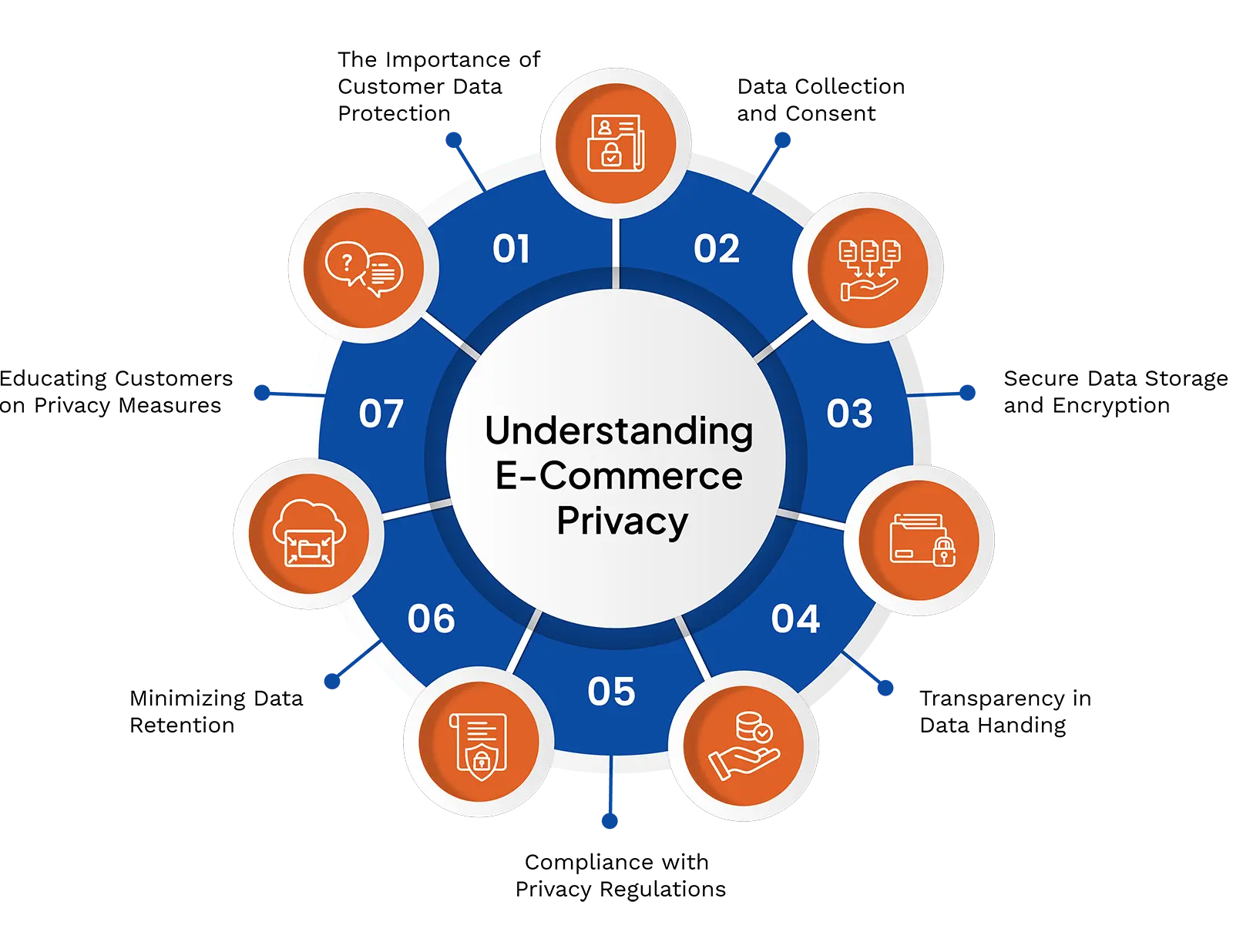
Data privacy in e-commerce is about treating customer information with care and integrity. This means asking for consent where applicable before collecting personal details, securing that data from potential threats and being transparent about how it is used. But privacy isn’t just about avoiding breaches. It is about doing right by your customers protecting their interests and giving them confidence every time they shop. As shown in the image, real e-commerce privacy includes clear communication about data handling, sticking to data retention limits, following privacy regulations and helping users understand their rights. When brands take these steps seriously, they are building stronger relationships and a more secure, transparent shopping experience that customers genuinely value.
Why is privacy important in E-commerce?
In the digital marketplace,trust fuels transactions. When customers hand over sensitive information, they are trusting that you will protect it. Here is why it matters:
- Legal Compliance: Non-compliance with data privacy laws (like GDPR, CCPA, or the UAE’s PDPL) can result in fines running into millions.
- Brand Trust: Using personal data strictly for its intended and communicated purpose and never selling or misusing customer information. Transparency, consent and responsible data handling are no longer optional they are core to long-term customer loyalty.
- Competitive Advantage: Brands that demonstrate transparency in data usage can turn privacy into a unique selling point.
Key benefits of strong data privacy in E-commerce
In the world of online shopping, protecting customer data isn’t just a legal obligation it is a competitive advantage. Here is how solid privacy practices can make a real difference:
- Earn Customer Trust That Lasts
People are more likely to shop with brands they feel safe with. When your store is upfront about how it handles personal data and backs it up with secure systems, customers feel more confident and that trust turns into loyalty over time - Stay Ahead of Compliance and Avoid Penalties
Privacy laws are evolving fast. Businesses that embed privacy into their operations early don’t just dodge fines they also build a future-proof framework that can adapt to new regulations without panic. - Improve Operational Efficiency
Good data privacy isn’t about protection it is also about organization. When data is collected, stored, and processed responsibly, it leads to cleaner databases, more accurate customer insights, and smoother workflows. - Boost Sales with Visible Security Assurances
A secure checkout experience and visible privacy indicators like trust seals, cookie consent notices, or SSL badges can positively impact buyer decisions. When customers feel safe, cart abandonment drops and conversions climb.
How to implement data privacy in E-commerce?
To implement strong data privacy in e-commerce, start by collecting only the information you truly need – less data means less risk. Encrypt all sensitive details, whether stored or in transit, using up-to-date security protocols. Always seek clear consent for cookies, newsletters, and direct marketing messages, giving customers control. Internally, limit access to personal data based on roles to reduce exposure. Keep your privacy statements easily accessible, easy to understand, and regularly updated. Finally, use secure, PCI DSS-compliant payment gateways to protect financial information and reduce fraud risk an essential step in building lasting customer trust.
Common challenges and mistakes in E-commerce privacy
A number of online retailers unknowingly compromise customer trust by overlooking key privacy practices. Common pitfalls include ignoring evolving global privacy laws, relying on third-party apps without assessing their data handling practices, and using one-size-fits-all privacy policies that don’t reflect actual operations. Many also forget to encrypt internal communications or data backups, leaving critical information exposed. Even big-name brands have faced backlash for these oversights making it clear that privacy missteps can be costly.
Best practices for E-commerce brands
To protect customer data and stay compliant, e-commerce businesses must go beyond basics and adopt a proactive privacy mindset. Here are some expert-backed practices to follow:
- Conduct Regular Privacy Impact Assessments (PIAs): Identify risks and address gaps before they become issues.
- Train Employees on Data Privacy: Ensure everyone handling customer data understands compliance and security protocols.
- Use Secure APIs and Payment Gateways: Protect transactions and data exchanges with well-vetted, encrypted systems.
- Implement a Consent Management Platform (CMP): Make it easy for users to control how their data is collected and used.
- Establish an Incident Response Plan: Be prepared to act quickly in case of a breach or data mishandling incident.
Future trends in E-commerce data privacy
Data privacy will take center stage in shaping consumer experiences and brand reputation. One major trend is the rise of AI-driven privacy compliance tools, which will automate risk detection, streamline regulatory adherence and reduce human error in data handling.
As third-party cookies phase out, brands are shifting their focus toward more ethical and transparent ways of collecting data. Zero-party data information that customers intentionally share through surveys, preference centers, or interactive tools-is emerging as a valuable asset. Unlike invasive tracking, this approach respects user intent and fosters authentic engagement. First-party data strategies backed by clear consent will define the next era of digital marketing. To stay ahead, businesses are also turning to regulatory technology (RegTech) to navigate complex global privacy landscapes. Those who adapt early won’t just meet compliance they will earn lasting trust and stand out in an increasingly privacy-driven marketplace.
Final thoughts
Let’s face it privacy is no longer optional in e-commerce as it is expected. Customers don’t just look for great deals or fast shipping, they want assurance that their data is being respected and protected. And in a world where one breach or misstep can break customer trust overnight, playing catch-up on privacy just isn’t good enough. Brands that proactively collaborate with cybersecurity experts to safeguard customer privacy are doing more than just preventing breaches they are reinforcing their credibility and building lasting trust. By embedding expert-driven strategies into their operations, they signal accountability and a genuine commitment to protecting user data. Partnering with trusted cybersecurity providers like ValueMentor empowers organizations to stay ahead of threats, align with global privacy standards, and turn compliance into a competitive advantage.
FAQs
1. What kind of data do e-commerce websites typically collect?
E-commerce sites collect a range of personal data including names, email addresses, shipping information, payment details, device data, and user behavior like browsing and purchase history.
2. Is SSL enough to secure customer data?
No. SSL is only one layer of protection. A robust e-commerce security strategy should include end-to-end encryption, secure coding practices, firewall protection, vulnerability assessments, and regular audits-areas where firms like ValueMentor offer specialized support.
3. How do data privacy regulations impact e-commerce businesses?
Data privacy laws like GDPR, CCPA, LGPD, and India’s DPDPA define how e-businesses including commerce must collect, use, and protect personal data. Privacy regulations outline responsibilities for businesses (whether data controllers and data processors) in managing and protecting personal data.
4. Are privacy policies mandatory for online stores?
Privacy laws like GDPR, CCPA, and India’s DPDPA require data controllers to disclose specific information to individuals about how their personal data is processed. While the laws do not explicitly mandate a “privacy policy,” they do require clear and accessible communication of these details commonly provided through a privacy notice or statement. For online stores, publishing such a notice is the standard way to meet these legal obligations.
5. Can small or mid-size e-commerce brands be penalized for privacy violations?
Absolutely. Regulatory bodies do not exempt smaller businesses. Even startups can face hefty fines and reputational damage for non-compliance with data privacy laws.
6. How can I ensure my e-commerce store is compliant with evolving privacy laws?
Keeping up with global privacy regulations can be challenging. Partnering with compliance experts like ValueMentor helps streamline assessments, implement best practices, and ensure ongoing adherence through automated tools and expert guidance.
7. What is zero-party data and why is it important?
Zero-party data is information a customer voluntarily shares, such as preferences, feedback, or survey responses. It’s highly valuable because it’s collected with consent and helps create personalized experiences without violating privacy.
8. How often should privacy policies be reviewed or updated?
At minimum, privacy policies should be reviewed annually. However, any major change in data handling, website functionality, or legal regulations should trigger an immediate update.
9. What is the difference between data privacy and data security?
Data security focuses on protecting information from breaches or unauthorized access. Data security refers to the technical and organizational measures used to protect information from unauthorized access, breaches, or loss. Data privacy, on the other hand, is about individuals’ rights and control over their personal data how it is collected, used, shared, and retained. While consent is one aspect of privacy, it also includes transparency, purpose limitation, and respecting user rights under applicable laws. Security protects the data; privacy governs how it is used.
10. How can I ethically ask users for their personal information?
Be transparent about what you’re collecting and why. Use simple language and always give users control with clear opt-in/opt-out options.