Liking a post on Instagram, reposting a meme on X, or casually recording a TikTok dance might feel harmless just part of daily digital life. But behind every swipe and scroll, you are leaving breadcrumbs of personal data that are quietly harvested, sold, or even stolen. In 2025, over 4.9 billion people are active on social media. That means nearly 60% of the world’s population is constantly feeding platforms with behavioral data, location info, preferences, facial recognition markers and more. But while the content is free, the real currency is you your identity, habits, and digital trail. So, is quitting the only option? Not necessarily. But smart digital hygiene is no longer optional. Let’s unpack what data privacy in social media really means in today’s algorithm-obsessed world and how to reclaim some control without ghosting your digital life.
What Exactly Are Social Platforms Collecting About You?

Most users don’t realize the full extent of what is being harvested behind the scenes. Here is what major platforms typically collect:
- User-generated content (photos, posts, videos)
- Behavioral data (likes, shares, scroll time)
- Location data (GPS and IP-based tracking)
- Biometric data (faceprints, voiceprints from Reels or Lives)
- Device and browser metadata
Moreover, this data is often shared with advertisers, analytics partners and sometimes, unknown third parties with or without your informed consent.
The Dark Side of Social Media Data – What Can Go Wrong?
Most of us know our data is being collected online but few truly grasp the depth of how it can be exploited. Social media platforms, while connecting us to the world, also expose us to serious risks that go beyond just annoying ads. Here’s what you should be paying attention to:
- Account Breaches & Unauthorized Access
Your social login credentials are prime targets for cybercriminals. Once compromised, your profile can be hijacked for scams, impersonation, or even leaking private messages and personal content damaging your reputation and trust.
- AI-Powered Behavioral Profiling
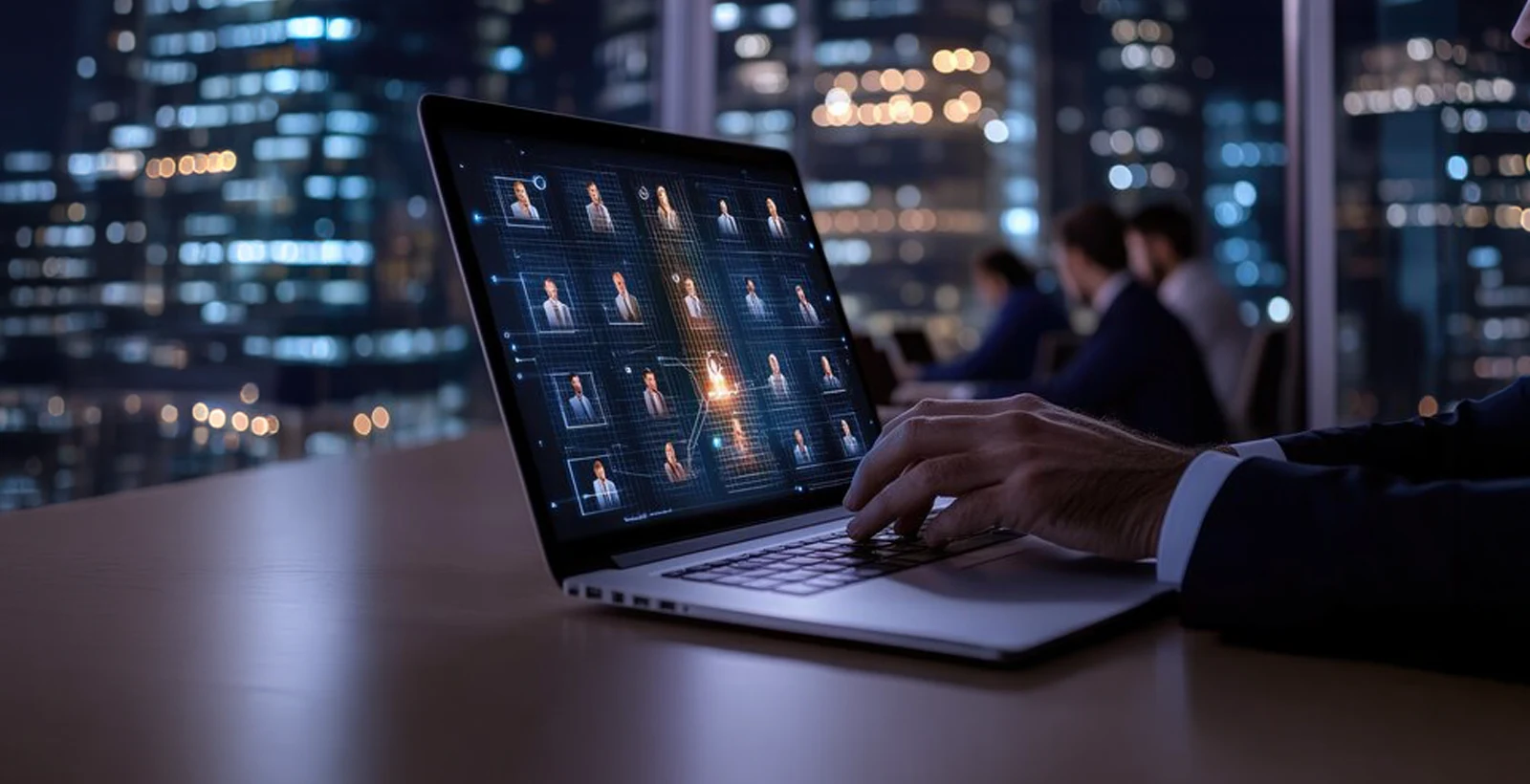
Every like, comment, photo, or emoji adds to a digital persona-built by advanced AI systems. These profiles are used to subtly influence what content you see: from targeted ads and product placements to curated news feeds that can shape your beliefs, choices, and even voting behavior.
- Deepfakes and Identity Cloning
Public content isn’t always harmless. Images and videos shared online can be scraped to create eerily realistic deepfakes or cloned profiles. These are often used in phishing attacks, fraudulent schemes, or malicious impersonation-without the victim even realizing.
- Loss of Digital Ownership
Do you ever read the fine print before hitting “Agree”? Some platforms retain perpetual rights to your content. That viral video or creative post you shared might be used in advertisements, datasets, or even AI training models without your name ever being credited.
Why Privacy Settings Aren’t Enough Anymore?
Even when platforms claim your data is “anonymized,” it doesn’t mean it’s safe. Studies have shown that anonymized datasets can often be re-identified using just a few data points, especially when combined with public social media activity. Default settings on most social media platforms are designed to prioritize platform engagement and data collection, not user protection. For instance, new posts and profiles often remain “public by default,” exposing personal information unless manually changed. Even when privacy controls are available, they are often buried deep within layered menus, making them difficult to access or fully understand. More critically, marking your content as “private” doesn’t stop platforms from collecting and analyzing it especially when it comes to training algorithms and enhancing ad targeting. In essence, toggling a few settings may create a false sense of security, while your data continues to fuel an ecosystem built around surveillance and monetization.
Data Privacy Best Practices for Social Media Users
You don’t have to give up social media to stay safe you just need to be more intentional. These simple steps can help protect your digital footprint and support data protection.
- Be Selective About What You Share
Think twice before posting your location, workplace, travel plans, or personal documents even in private messages. Once shared online, that data is rarely ever truly private. - Review and Revoke App Permissions
Over time, many users link their accounts to third-party apps games, quizzes, tools that quietly collect data in the background. Check your account settings regularly and remove access to anything you no longer use or recognize. - Enable Two-Factor Authentication (2FA)
A strong password is a good start, but 2FA adds an essential extra layer of security. Whether it’s via SMS or an authenticator app, it helps prevent unauthorized access even if your password gets leaked. - Minimize Ad Tracking and Personalization
Most social platforms allow you to manage ad preferences. Turn off personalized ads wherever possible it won’t eliminate tracking entirely, but it reduces the amount of behavioural data collected about you. - Choose Private Messaging Apps Wisely
Not all messaging apps offer true end-to-end encryption. Platforms like Signal or even WhatsApp (with settings tweaked) provide stronger privacy protections than many default messaging options. - Stay Informed About Platform Policies.
Social media companies regularly update their terms, often without clear notice. Tools like “Terms of Service; Didn’t Read” can help you understand what is changing and what it means for your data. Instead of ignoring them, make it a habit to glance through the platform’s Privacy Notice not just the terms of service. Staying informed helps you avoid hidden data-sharing traps. - Know Your Data Rights
Depending on where you live, laws like GDPR, CCPA, or India’s DPDP Act give you real power like accessing your data, deleting it or stopping it from being sold. Knowing your rights isn’t optional anymore it is your first line of defense in a data-hungry digital world.
What Happens If You Don’t Act?
Choosing not to protect your privacy isn’t a passive decision it is an open invitation. When you stay unaware or indifferent, your personal data becomes easy fuel for data brokers, targeted scams, and algorithmic profiling. You could be unknowingly exposing yourself to social engineering attacks, losing control over the content you share, or even having your digital identity cloned or twisted by AI. In a world where every click and comment leave a trace, taking no action means giving others the power to decide how your story is told and used.
Final Thoughts
Social media platforms may offer tools and toggles, but the real power to protect your digital life lies with you. Every post, like, and photo reflects a part of who you are and that’s worth guarding. Do not wait for a breach or a headline to take action. Stay aware, stay intentional and remember your data tells your story. Make sure you are the one writing it.
FAQs
1. Can someone really access my private messages or photos through a social media breach?
Yes. If your account is compromised even once cybercriminals can access not just your public posts, but also private messages, saved media, and linked accounts.
2. What kind of data do social media platforms collect that I’m not aware of?
Beyond your posts and likes, platforms track your browsing behaviour, time spent on posts, device information, location data, and even how long you hover over content even if you don’t interact.
3. Is turning my account to ‘private’ enough to keep me safe?
Not really. While it limits who sees your posts, the platform itself still collects your data for ad targeting, algorithm training, and internal analytics.
4. Are third-party social media apps safe to use?
Not always. Many apps and quizzes request excessive permissions and continue harvesting data long after you have stopped using them. Always review app permissions and revoke unnecessary access.
5. What is social engineering and how does it relate to my social media activity?
Social engineering involves manipulating individuals into giving up confidential information. Hackers often use personal data from your social media-like birthdays, pets, or kids’ names to craft convincing scams.
6. How do I know if my identity has been cloned or used in a deepfake?
Signs include fake accounts using your photos, people receiving messages you didn’t send, or even seeing yourself in content you never created. Regular self-searches and reverse image tools can help detect misuse.
7. Why do social platforms want so much access to my data?
Because your data is their business model. It helps them build detailed profiles that advertisers pay to target making your personal habits extremely profitable.
8. What steps should I take immediately after noticing suspicious activity on my account?
Change your password, enable 2FA, review login history, revoke unknown device access, and alert the platform. Also inform your contacts in case they receive fake messages from your account.
9. Can AI really manipulate my choices based on my social media behavior?
Yes. AI can learn your preferences, moods, and triggers through your interactions then influence what you see, from ads to political messaging, shaping your perceptions over time.
10. How often should I audit my privacy settings and connected apps?
Ideally every 2-3 months. Social platforms change policies often, and new app connections or updates can expose more data than you realize.