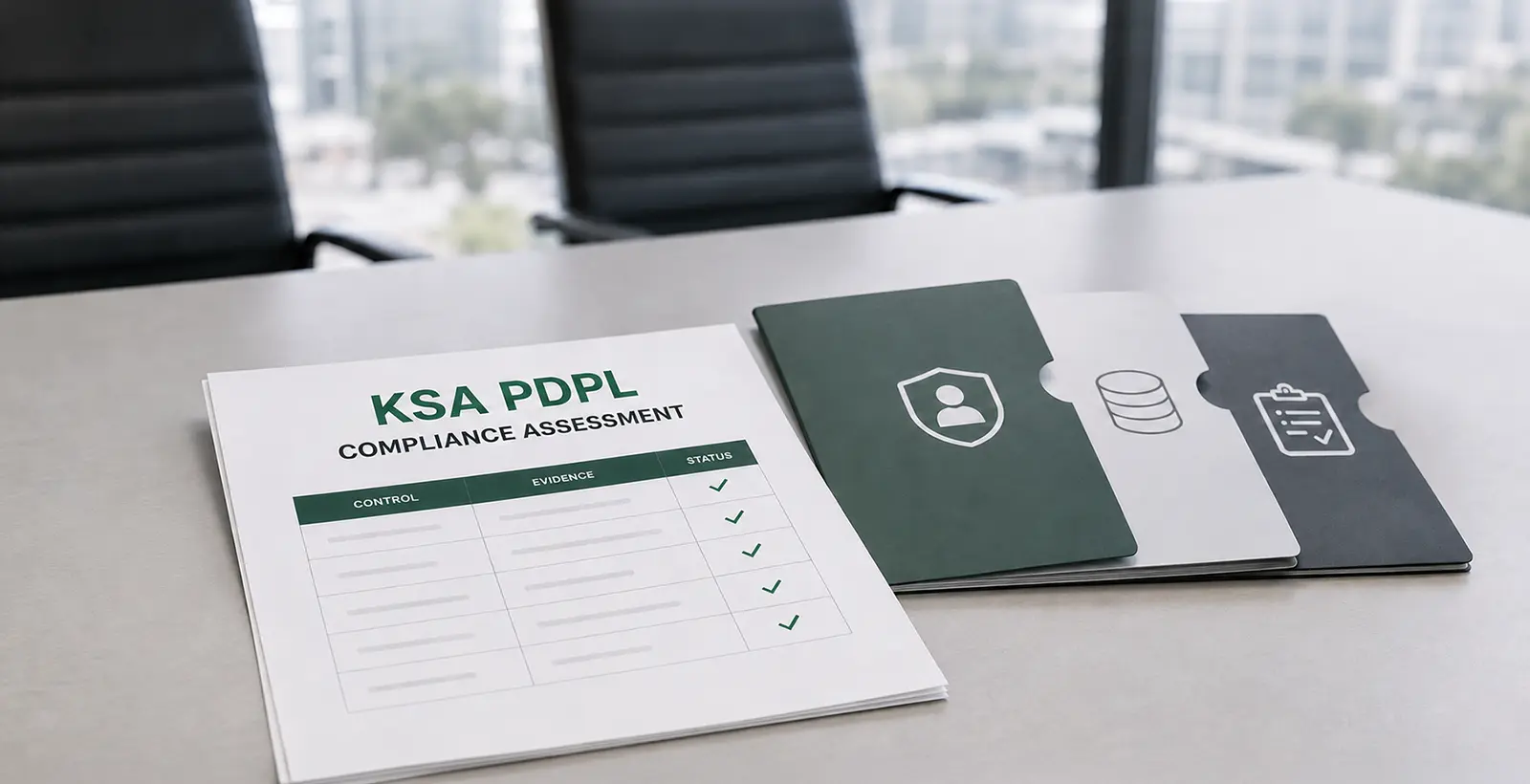
DPDPA consent is becoming one of the biggest operational challenges for businesses in India. What looks simple on paper-collecting and managing user consent-quickly turns messy in real life. Emails, apps, customer support calls, marketing tools, and internal teams all touch personal data daily. When DPDP consent management is not handled carefully across these touchpoints, small gaps turn into serious privacy risks.
Most organizations are not failing because they ignore the law. They struggle because everyday business operations are not designed with consent in mind. This is where consent compliance India starts breaking down, creating confusion, risk, and compliance fatigue. In this blog, we explain how everyday business operations are leading to consent mismanagement under DPDPA and creating growing privacy and compliance risks for organizations.
Why consent is the foundation of DPDPA compliance?
DPDPA gives individuals control over their personal data. This means organizations must collect consent that is clear, informed, specific, and easy to withdraw. Consent cannot be hidden inside long legal text or bundled with unrelated permissions. Lawful data use depends entirely on lawful consent DPDP.
Consent is not limited to the moment data is collected. It applies every time data is accessed, shared, or reused. Strong consent compliance India requires businesses to continuously respect the purpose for which consent was given.
Key expectations under DPDPA include:
- Consent must clearly state the purpose of data use
- Data should not be used beyond approved purposes
- Individuals must be able to withdraw consent easily
- Businesses must stop processing data once consent is withdrawn
Failing to meet these expectations can quickly put an organization at risk.
How day-to-day business operations create consent chaos?
Consent mismanagement does not usually happen because of one major mistake. It develops through everyday operational behavior across teams.
In many organizations:
- Marketing teams reuse old contact lists for new campaigns
- Sales teams collect personal data informally during calls
- HR teams retain employee data longer than required
- IT teams store backups without reviewing consent validity
These actions may seem routine, but they create growing operational consent risks India. When consent is not centrally managed, businesses lose control over how personal data is actually used.
Common consent mismanagement scenarios

1. Vague or overly broad consent collection
Many businesses still use generic consent language that does not explain specific data uses. This creates confusion for users and weakens compliance.
Common issues include:
- One checkbox covering multiple purposes
- Consent text that is difficult to understand
- No clear separation between mandatory and optional consent
Such practices are among the most common DPDP consent compliance mistakes and can easily be challenged during audits or complaints.
2. Lack of consent lifecycle visibility
Consent has a lifecycle – it is collected, used, modified, and eventually withdrawn or expired. Without proper consent lifecycle management, businesses struggle to answer basic questions.
Organizations often cannot clearly tell:
- When consent was collected
- What exact purpose it covered
- Whether it is still active or withdrawn
This lack of visibility creates serious risk, especially when regulators ask for proof of compliance.
3. Disconnected systems and data silos
Most organizations use multiple systems to manage data. Customer data may exist in CRMs, marketing tools, billing systems, and support platforms.
When consent updates are not synchronized:
- Withdrawn consent may not be reflected everywhere
- Data continues to be used incorrectly
- Teams act on outdated permissions
This system disconnect is a major cause of consent mismanagement under DPDPA, particularly in growing businesses.
4. Sharing data with vendors without clear consent
Third-party vendors are essential for modern business operations. However, many organizations fail to check whether consent allows data sharing with these vendors.
Common risks include:
- No clarity on third-party processing permissions
- Vendors using data beyond agreed purposes
- Lack of monitoring over vendor data usage
These gaps significantly increase operational consent risks India, and responsibility still lies with the primary organization.
Why managing consent at scale is so difficult?
As businesses grow, consent volumes increase rapidly. Managing thousands of consent records manually is unrealistic. This makes managing consent at scale DPDP one of the biggest challenges.
Typical problems include:
- Expired consent not being identified
- Delays in processing withdrawal requests
- Data reused for new purposes without fresh consent
Without automation and structured processes, errors become unavoidable and difficult to detect early.
The hidden risk of poor consent documentation
Consent is only useful if it can be proven. DPDPA requires organizations to demonstrate how consent was collected and managed.
During a consent audit under DPDPA, regulators may request:
- Consent records and timestamps
- Purpose definitions shown to users
- Proof of withdrawal handling
Incomplete or scattered documentation increases compliance risk, even if the organization believes it is acting responsibly.
Employee awareness and consent handling
Employees interact with personal data every day. Without proper training, even well-intentioned staff can create consent violations.
Lack of awareness often leads to:
- Collection of unnecessary personal data
- Reuse of data for unintended purposes
- Missed or ignored withdrawal requests
Building awareness across teams is essential for strengthening consent compliance India.
Building a practical DPDP consent management approach
Effective consent management does not need to be complicated. It needs to be consistent and operationally practical.
Key elements include:
- Clear, purpose-based consent collection
- Centralized consent records
- Easy consent withdrawal mechanisms
- Regular internal consent reviews
- Alignment between systems and vendors
Strong DPDP consent management reduces regulatory risk and improves transparency.
Preparing for audits and regulatory scrutiny
DPDPA enforcement is expected to increase over time. Businesses that prepare early will face fewer surprises.
Proactive steps include:
- Conducting internal consent assessments
- Identifying gaps in existing processes
- Updating outdated consent notices
- Testing consent withdrawal workflows
These steps reduce exposure to penalties and help build long-term trust.
Conclusion
Consent mismanagement under DPDPA is rarely caused by a single error. It grows slowly through everyday operations, poor visibility, and lack of coordination across teams. When consent is treated as a formality, privacy risks multiply silently. By improving consent lifecycle management and focusing on practical controls, businesses can reduce risk, strengthen compliance, and build customer confidence. Early action is far more effective than reactive fixes. DPDPA compliance does not have to feel overwhelming.
With the right approach, organizations can simplify consent processes and reduce operational risk. ValueMentor helps businesses review existing consent practices, identify compliance gaps, and build scalable consent management frameworks aligned with DPDPA requirements. Now is the right time to act – strong consent management with the right guidance can prevent serious privacy challenges and regulatory issues in the future.
FAQS
1. What does consent mean under DPDPA?
It means clear approval from an individual to use their personal data for a stated purpose.
2. Is implied consent allowed under DPDPA?
No, consent must be explicit, informed, and clearly communicated.
3. What happens if consent is poorly managed?
It can lead to compliance violations, penalties, and loss of customer trust.
4. How often should consent be reviewed?
Consent should be reviewed regularly, especially when data usage changes.
5. Can businesses reuse old consent under DPDPA?
Only if the purpose and conditions remain unchanged and valid.
6. What is a consent audit under DPDPA?
It is a review of how consent is collected, stored, and applied across systems.
7. Do vendors need separate consent to process data?
Yes, consent must clearly allow third-party data processing.
8. What role do employees play in consent compliance?
Employees must follow consent rules while collecting, accessing, or sharing data.
9. Is consent required for internal data sharing?
Yes, if the data is used beyond the original consented purpose.
10. How can consent risks be reduced at scale?
By centralizing consent records and automating consent tracking.